Streamline Your Work With Business Process Flowcharts
Business Process Flowcharts and Workflow are essential tools for visualizing and optimizing operations in any organization. Whether you're managing a small team or leading a large enterprise, these diagrams help clarify complex procedures, improve communication, and enhance efficiency. By breaking down tasks into clear, sequential steps, flowcharts make it easier to identify bottlenecks, streamline processes, and ensure everyone is aligned with the same goals.
What Are Business Process Flowcharts and Workflow?
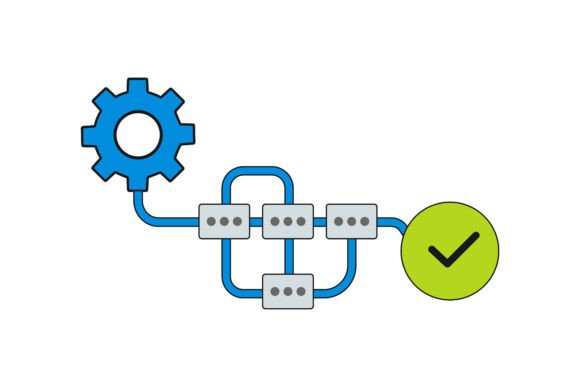
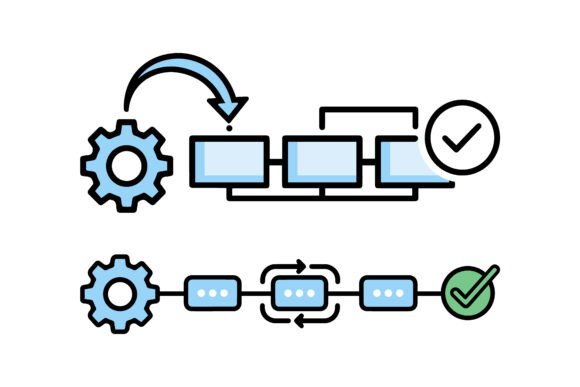
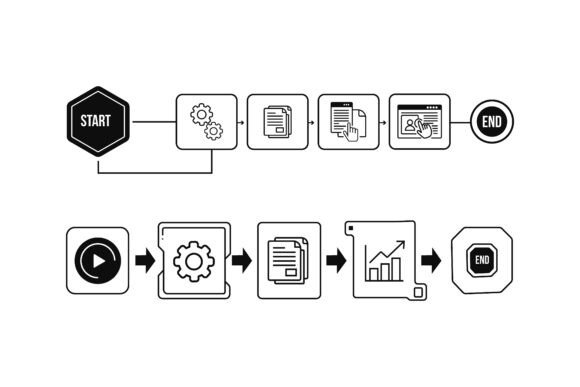
A Business Process Flowchart is a graphical representation of a workflow that outlines the sequence of steps required to complete a task or achieve an outcome. These diagrams use standardized symbols and shapes to depict actions, decisions, and data flows. Workflow, on the other hand, refers to the actual process of moving tasks from one stage to another, often involving people, systems, and resources.
Together, these tools provide a structured way to map out how work gets done. They are not just for internal use—they are also valuable for client presentations, training materials, and strategic planning sessions.
Key Characteristics and Strengths
The strength of Business Process Flowcharts lies in their simplicity and clarity. Here are some key characteristics:
- Visual Clarity: Diagrams make abstract concepts tangible and easy to understand.
- Customizable: Modern designs allow full color customization, making them adaptable to brand guidelines.
- Scalable: Vector-based files can be resized without losing quality, ensuring they look great in any context.
- Editable: Full source files (like EPS) give users the flexibility to modify elements as needed.
- Reusable: A single design can be applied across multiple projects, saving time and effort.
Practical Applications Across Different Environments
Business Process Flowcharts are versatile and can be used in various settings. Here are some real-world examples:
Professional Settings: Teams can use flowcharts to document project management workflows, customer service procedures, or IT support processes. This helps maintain consistency and ensures that all team members follow the same protocols.
Education: Teachers and educators can create flowcharts to explain complex topics, such as scientific methods, historical events, or mathematical formulas. Visual learning tools like these increase student engagement and comprehension.
Creative Industries: Designers, marketers, and content creators benefit from using flowcharts to plan campaigns, manage creative pipelines, or outline editorial calendars. These diagrams help keep projects on track and within deadlines.
Digital Projects: In digital marketing, flowcharts can illustrate user journeys, conversion funnels, or SEO strategies. They help teams visualize how users interact with a website or app and identify areas for improvement.
Entrepreneurial Ventures: Startups and small businesses can use flowcharts to map out business models, sales processes, or customer acquisition strategies. This provides a clear roadmap for growth and scalability.
Benefits of Using Business Process Flowcharts
There are numerous benefits to incorporating Business Process Flowcharts into your workflow:
- Improved Communication: Visual representations reduce ambiguity and ensure all stakeholders have a shared understanding of the process.
- Enhanced Efficiency: By identifying inefficiencies, teams can optimize workflows and eliminate unnecessary steps.
- Stronger Branding: Customizable designs align with company branding, reinforcing visual identity in all materials.
- Increased Productivity: Clear, step-by-step instructions help employees perform tasks more effectively and with fewer errors.
- Better Decision-Making: Data-driven flowcharts support informed choices by highlighting trends, patterns, and potential issues.
Choosing the Right Flowchart Tools
When selecting a Business Process Flowchart tool, consider the following factors:
- Flexibility: Ensure the design is fully editable and compatible with common software like Adobe Illustrator or InDesign.
- Customization Options: Look for templates that allow full color changes, font adjustments, and layout modifications.
- Scalability: Choose vector-based files that maintain quality when resized for different formats or platforms.
- ease of Use: Opt for intuitive interfaces that allow quick edits and drag-and-drop functionality.
- Support and Resources: Check if the provider offers tutorials, templates, or customer support to assist with implementation.
Realistic Examples and Recommendations
Imagine a marketing team using a flowchart to outline their content creation process. The diagram could include steps like ideation, research, drafting, editing, and publishing. This visual guide ensures that each team member understands their role and how it fits into the larger picture.
Another example is a retail business mapping out its customer service workflow. The flowchart might show how customer inquiries are received, escalated, resolved, and followed up on. This helps streamline support and improve response times.
For educators, a flowchart explaining the research process—such as how students gather information, analyze data, and present findings—can serve as an effective teaching aid. It breaks down complex tasks into manageable parts, making learning more accessible.
When choosing a flowchart design, prioritize quality over quantity. A well-crafted, customizable template will save time in the long run and provide greater value than a generic, low-resolution option.
Conclusion
Business Process Flowcharts and Workflow are powerful tools that bring structure, clarity, and efficiency to any project. Whether you're managing a team, designing a product, or educating others, these diagrams offer a visual way to communicate, optimize, and innovate. With modern, fully editable templates, it's easier than ever to create professional-grade flowcharts that meet your specific needs. Invest in quality design tools today to unlock new levels of productivity and success.