Happy 4th of July Free PNG Design: A Practical Guide for Crafters and DIY Enthusiasts
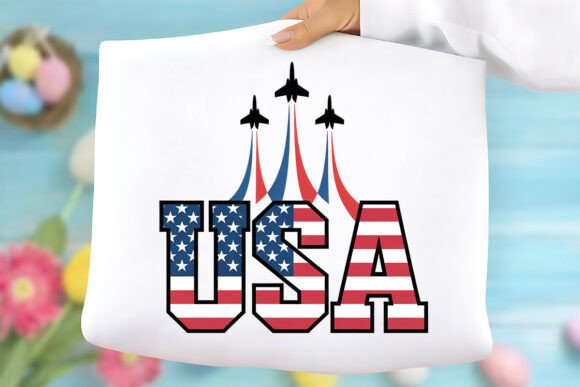
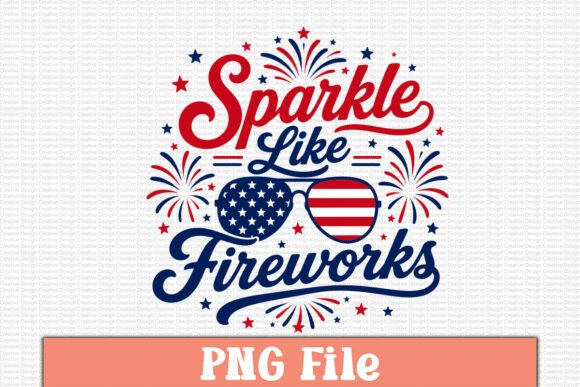
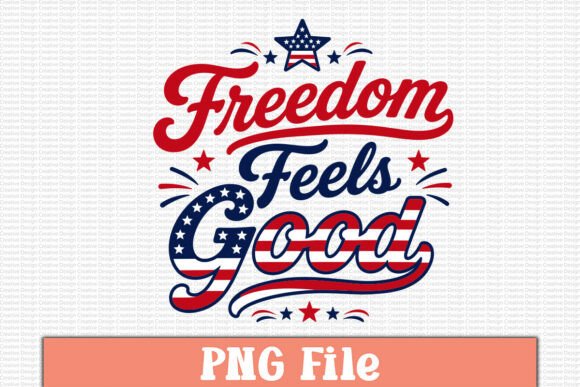
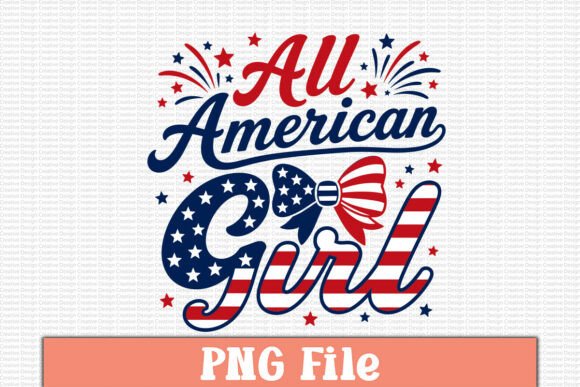
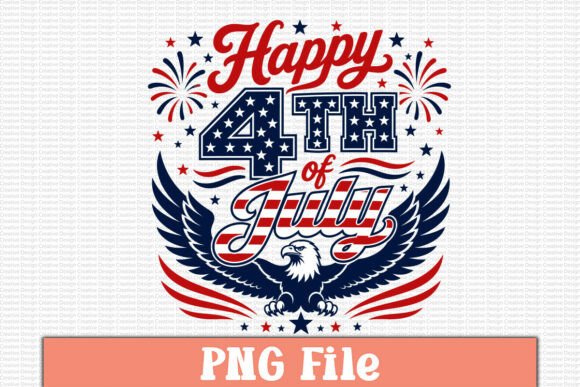
A Happy 4th of July Free PNG Design is a ready-to-use digital graphic file—typically featuring patriotic motifs like fireworks, stars, eagles, flags, or “USA” lettering—delivered in PNG format with a transparent background and high-resolution (300 DPI) output. Unlike JPEGs or low-res web images, these files preserve crisp edges and clean layering, making them ideal for precise applications where background removal isn’t needed. What sets this type of resource apart is its intentional design for physical production: each element is isolated, scalable without pixelation, and optimized for cutting machines, print-on-demand services, and manual crafting workflows.
How It Compares to Other Patriotic Graphic Options
Not all Fourth of July graphics serve the same purpose—or deliver the same results. Vector files (like SVG or EPS) offer infinite scalability and are preferred for professional vinyl cutting or large-format printing, but they require compatible software and often involve steeper learning curves. Standard web PNGs found via image search may look festive at first glance, yet many lack transparency, contain watermarks, or render poorly when enlarged—even at 72 DPI. In contrast, a Happy 4th of July Free PNG Design balances accessibility and utility: it opens in virtually any image editor, works seamlessly with Cricut Design Space or Silhouette Studio, and maintains clarity on both small decals and wall-sized banners.
Free stock photo sites sometimes offer holiday-themed assets, but those are usually full-scene compositions—not isolated elements. That limits flexibility. For example, a photo of a decorated porch includes shadows, textures, and context you can’t easily separate. A Happy 4th of July Free PNG Design, by comparison, delivers only the core motif—clean, centered, and ready to place over any background or surface.
Real-World Uses—and Why Resolution and Transparency Matter
The included ZIP folder contains one 300 DPI PNG file with a transparent background. This specification directly supports common hands-on projects:
- T-shirts and sweatshirts: High resolution ensures sharp prints even on dark fabrics; transparency eliminates white halos around letters or shapes.
- Vinyl decals and wall decorations: Clean edges allow precise weeding and application—no fuzzy outlines or stray pixels interfering with cut lines.
- Invitations and cards: Layering text or photos behind the design is effortless when the background is fully transparent.
- Scrapbooking and paper crafting: You can resize, rotate, and recolor without quality loss—critical when fitting designs into narrow journal margins or layered layouts.
- Mugs, tea towels, and art prints: At 300 DPI, the file meets standard print requirements for both home printers and commercial labs.
Lower-resolution alternatives may suffice for social media posts or quick digital mockups—but fall short when translated to physical objects. A 72 DPI image scaled to fit a 12×18 inch banner will appear soft or jagged. A JPG with a white background creates visible seams when placed over patterned paper or fabric. These aren’t theoretical concerns—they’re common pain points reported by crafters who’ve tried repurposing generic online graphics.
Strengths and Limitations: Knowing When It Fits—and When It Doesn’t
The primary strength of a Happy 4th of July Free PNG Design lies in its focused utility. It’s not meant to replace a full design suite or custom illustration service. Rather, it fills a specific niche: delivering an instantly deployable, production-ready asset for time-sensitive seasonal projects. Its simplicity is intentional—no complex layers, no embedded fonts to manage, no licensing ambiguity for personal or small-batch use.
That said, limitations exist. Because it’s a single static file, customization options are constrained to what your editing software allows—changing colors, flipping orientation, or adjusting opacity are straightforward, but altering internal details (e.g., swapping one star for a different shape within the composition) isn’t possible without advanced raster editing skills. If your project demands multi-color gradients, intricate line work, or editable text, a vector-based alternative may be more appropriate—even if it requires additional setup.
Also consider scale. While 300 DPI supports most common uses, extremely large installations—such as a 4×8 foot parade banner—may benefit from vector source files to guarantee edge fidelity at massive sizes. For most home crafters, small businesses, educators, and community organizers, however, the Happy 4th of July Free PNG Design hits a practical sweet spot between quality and ease of use.
Comparing Use Cases: When to Choose This Over Other Formats
Imagine you’re preparing for a neighborhood block party and need to create custom invitations, window decals for your storefront, and iron-on transfers for volunteer T-shirts. You have two hours before finalizing the order with your local print shop. A Happy 4th of July Free PNG Design lets you import the file directly into Canva, resize it for each medium, adjust color tone to match your branding, and export print-ready PDFs—all without troubleshooting compatibility issues or tracing outlines.
Now consider a different scenario: You’re designing a limited-edition poster series for a local museum exhibit on American symbolism. You’ll need fine control over stroke weight, seamless tiling, and CMYK color accuracy for offset printing. Here, an SVG or AI file with editable paths and Pantone references would better support your workflow—even if it means spending extra time learning how to manipulate anchor points.
The difference isn’t about “better” or “worse”—it’s about alignment with intent, timeline, tools, and technical comfort. A Happy 4th of July Free PNG Design excels when speed, reliability, and broad compatibility matter most. It’s less suited for scenarios demanding deep customization, archival-grade reproduction, or integration into automated design systems.
Making an Informed Choice
Before downloading or purchasing any patriotic graphic resource, ask yourself three questions:
- What’s my end use? If it’s physical output—especially on varied substrates like fabric, vinyl, or ceramic—a high-DPI PNG with transparency offers predictable, consistent results.
- What tools do I actually use? If you rely on beginner-friendly platforms like Cricut Design Space, Silhouette Studio, Canva, or basic photo editors (Photoshop Elements, GIMP), PNG support is universal and hassle-free.
- How much time and technical capacity do I have? If you’re balancing multiple roles—parent, organizer, small-business owner—minimizing friction matters. A Happy 4th of July Free PNG Design removes guesswork about file prep, color mode, or background cleanup.
That doesn’t mean other formats lack value. SVGs remain indispensable for makers using cutting machines at scale. Professional designers often combine PNGs with vectors for hybrid workflows—using the PNG for texture or detail, and vectors for structural elements. But for straightforward, reliable, seasonally relevant execution, the Happy 4th of July Free PNG Design remains a pragmatic, widely applicable choice.
Ultimately, the best resource isn’t the one with the most features—it’s the one that integrates smoothly into your existing process, reduces revision cycles, and delivers confidence at the moment of production. Whether you’re prepping for a backyard barbecue, launching a small batch of merchandise, or helping students create classroom displays, understanding how and why this format works helps you move forward—without second-guessing the foundation.