Insulated Wall Layers in Vector Cross: A Practical Guide
When designing for digital media, especially in fields like branding, event planning, and graphic design, having access to high-quality vector illustrations can make a significant difference. One such resource is Insulated Wall Layers in Vector Cross, a detailed and scalable visual representation of wall insulation systems. This vector cross-section illustration provides a clear breakdown of the thermal layers and structural components found in modern insulated walls, making it an invaluable tool for designers and professionals alike.
Understanding Insulated Wall Layers in Vector Cross
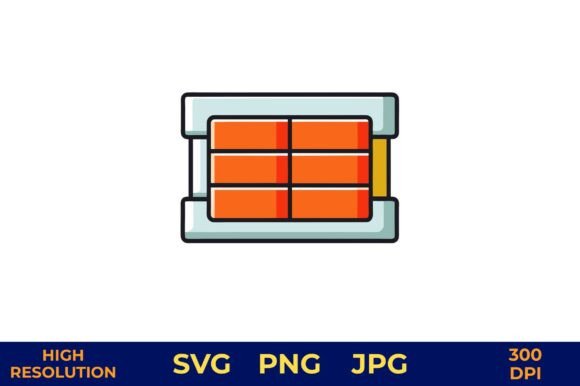
Insulated Wall Layers in Vector Cross is a digital illustration that visually represents the internal structure of an insulated wall. It typically includes layers such as the outer cladding, insulation material, vapor barrier, and inner framing. The illustration is created using vector graphics, which allows for scalability without loss of quality. This makes it ideal for use across various platforms and print sizes.
The cross-sectional view provides a clear understanding of how each layer contributes to the overall performance of the wall system. This is particularly useful for those working in architecture, construction, or design industries who need accurate and professional visuals for presentations, documentation, or marketing materials.
Why Would Someone Be Interested in This?
There are several reasons why professionals might find Insulated Wall Layers in Vector Cross appealing:
- Design Flexibility: The vector format allows for easy customization, making it adaptable to different project needs.
- High-Quality Output: With options for SVG, PNG, and JPG formats, users can choose the best file type for their specific application.
- Transparent Backgrounds: These enable seamless integration into other designs without background distractions.
- Professional Use: The illustration can be used in a wide range of applications, from social media content to printable kits and branding materials.
Whether you're creating educational content, designing promotional materials, or developing brand assets, this illustration offers a versatile solution that meets multiple needs.
Benefits and Considerations
One of the key benefits of using Insulated Wall Layers in Vector Cross is its ability to convey complex information in a clear and visual manner. This is especially helpful when explaining building systems to clients or stakeholders who may not have technical expertise in construction.
Additionally, the high resolution (4200px x 4200px at 300 dpi) ensures that the illustration remains sharp and detailed even when printed or displayed at larger sizes. This level of quality is essential for maintaining professionalism in any design project.
However, there are some considerations to keep in mind. Since this is a digital product, it does not include physical delivery. Users must download and print the files themselves, which requires access to appropriate software and equipment. Furthermore, while the illustration is highly detailed, it is a static image and cannot be modified beyond the provided layers unless the user has editing capabilities.
When Is It a Strong Fit?
Insulated Wall Layers in Vector Cross is particularly well-suited for projects that require accurate and scalable visual representations of insulation systems. This includes:
- Branding and marketing materials for construction companies or interior design firms.
- Printable kits for educational purposes, such as classroom resources or training manuals.
- Social media content that showcases architectural features or building solutions.
- Invitations, greeting cards, and other decorative items that incorporate architectural themes.
Its versatility also makes it a valuable asset for creative professionals looking to enhance their design portfolios with high-quality, customizable visuals.
Alternatives to Consider
While Insulated Wall Layers in Vector Cross is an excellent choice for many applications, there are alternative options worth considering depending on the project's specific needs:
- Photographic Images: These offer a more realistic look but may lack the scalability and editability of vector graphics.
- 3D Models: While more detailed, they often require specialized software for rendering and may not be as accessible to all users.
- Custom Illustrations: Hiring a designer to create a tailored illustration can provide unique results but may come at a higher cost.
Ultimately, the choice between these options depends on the level of detail required, the intended use, and the user’s technical capabilities.
Practical Insights for Decision-Making
When deciding whether to use Insulated Wall Layers in Vector Cross, consider the following factors:
- Project Scope: Does the illustration need to be part of a larger design system or used as a standalone element?
- Technical Requirements: Are you comfortable working with vector graphics, or do you prefer more user-friendly tools?
- Cost and Time: How much time and budget do you have for acquiring and customizing the illustration?
- Quality Expectations: Will the final output need to maintain high resolution for print or digital display?
By carefully evaluating these factors, you can determine whether Insulated Wall Layers in Vector Cross aligns with your goals and needs.